Whole-House Mold Remediation in Yorkville, IL
Mold removed from affected rooms and shared cavities in your Yorkville home, with damaged materials cleared under containment. Call 24/7 to arrange your assessment and cleanup.
- Whole-home moisture assessment
- Room-by-room containment
- Removal, drying and repair plan
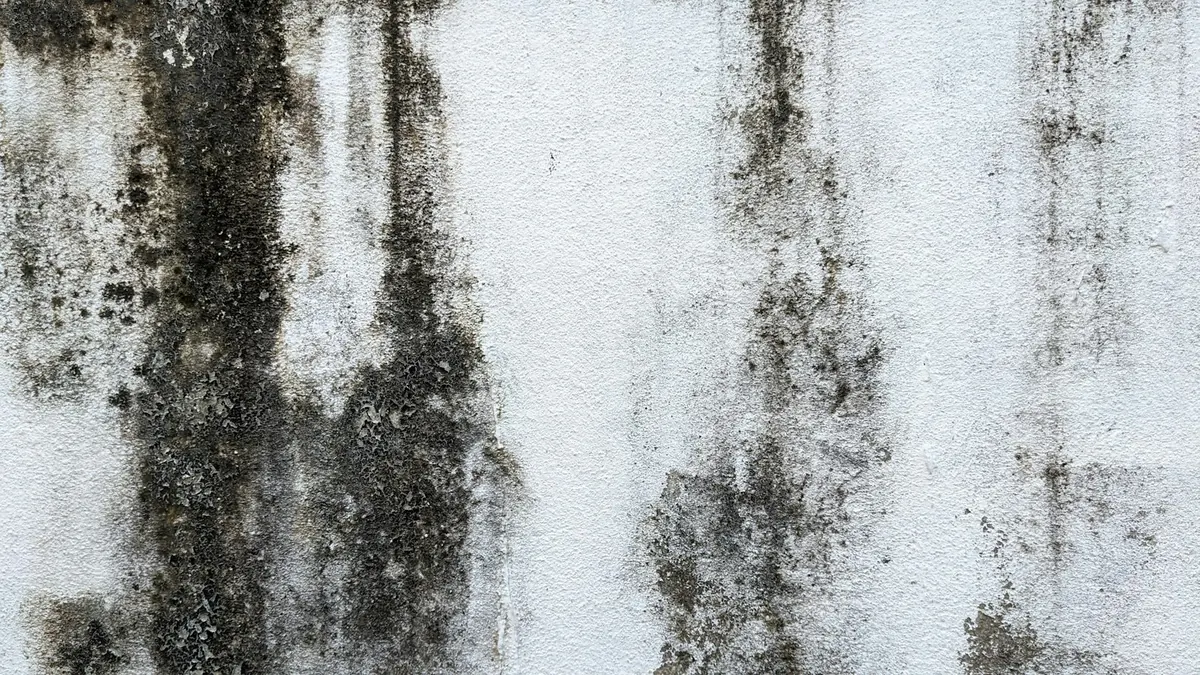
Your Options for Whole-House Mold Remediation Services in Yorkville
Your whole home cleanup covers affected rooms, shared walls, floor cavities and belongings. A mold inspection traces extensive mold growth and dampness before removal begins.
Mold in multiple rooms does not by itself require demolition of every wall. Your entire home is assessed to distinguish affected spaces from the rest. Work includes drying wet framing, cleaning surfaces that remain sound and removing damaged porous materials.
Your written scope of work defines removal areas, contents pack-out and moisture repairs. Suspected HVAC contamination receives a separate assessment. Containment of rooms accounts for shared stairs, cavities and ventilation.
- Whole-home mold inspection paired with moisture mapping
- Contained wall and floor removal
- Contents pack-out and cleaning scope
- Sound framing and surface cleaning
- Structural drying and final verification
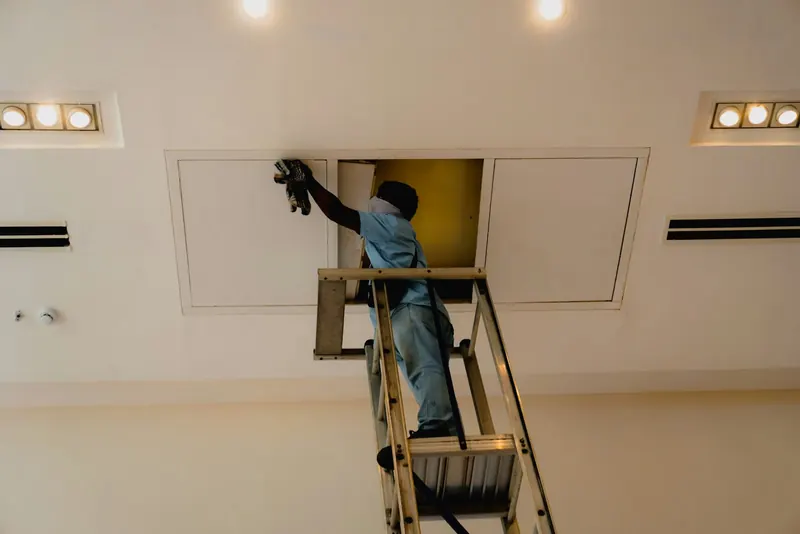
Signs You Need Whole-House Mold Removal
Recurring moisture, growth across rooms and odor throughout your home can suggest more than a surface problem.
Whole-House Condensation Problems
Across your rooms, dampness lingers on cool surfaces and windows, and cleaned spots reappear.
Growth Across Multiple Rooms
You notice visible mold growth in several parts of your home, on stored belongings, ceilings or walls.
Stains on Different Floors
Repeated staining near stacked bathrooms or shared walls can mark a common moisture path.
Mold Smell in Your House
You may notice an ongoing musty odor in different rooms alongside hidden moisture, without seeing growth.
Whole-House Dampness After Water Damage
You find wet carpet alongside softened drywall or swelling baseboards across rooms following water entry.
Your Whole-House Mold Remediation Process
Assessment, removal within containment and drying lead to the final checks in your mold cleanup.
Whole-House Assessment
Extensive mold growth is mapped alongside dampness using a moisture meter. A thermal imaging camera reveals differences in temperature without identifying mold.
Moisture Source and Scope
Across floors, the assessment traces roof leaks, plumbing and patterns of condensation. Your written scope of work specifies repairs separately and defines moisture corrections and removal limits before cleaning begins.
Room Containment and Access
Poly sheeting surrounds affected rooms to create a containment barrier. Particle spread on work routes is limited using a HEPA air scrubber alongside negative air pressure.
Contents and Damaged Material Removal
Your belongings are evaluated to decide between disposal and cleaning. Bag debris inside containment as drywall removal proceeds alongside demolition of damaged materials, both limited to the defined scope.
Surface Cleaning
For sound framing as well as non-porous surfaces, cleaning combines a HEPA vacuum with suitable damp methods. Antimicrobial treatment may supplement physical removal where suitable, never serving as a substitute.
Structural Drying
A dehumidifier and air movers are among the drying equipment used for controlled drying following removal and cleaning. Moisture readings track affected framing and cavities before finishes close them in.
Verification and Containment Removal
Final cleaning and dryness undergo checks alongside agreed post-remediation verification. An independent assessor performs clearance testing when specified; containment comes down after completion criteria are met.
Why Consider Chicago Mold Removal Services for Your Whole-House Mold Remediation?
Removal Through Final Checks
Containment removal follows verification, with damaged materials removed and sound surfaces undergoing cleaning and drying.
Whole-House Moisture First
Before defining removal, moisture routes are traced between your rooms and across floors.
Calls Answered 24/7
Start your cleanup across multiple rooms anywhere in the metro by calling one number, night or day.
Contained Work Across Floors
Shared routes and affected rooms inform the use of HEPA filtration and containment.
Clear Room-by-Room Scope
Cleaning, contents work and repairs appear separately in your scope ahead of removal.
Kendall County Whole-House Mold Cleanup: Steps Before Work
To begin an assessment, call and avoid disturbing your affected materials.
- Address active water. Stay outside standing water and avoid contact with wet electrical equipment when arranging repair.
- Leave growth alone. Leave moldy materials in place and avoid scraping growth.
- Keep affected HVAC equipment off. If mold may be inside the system or around its intake, leave the system switched off.
- Separate people and pets. Prevent them from entering affected spaces or designated work areas.
- Respond to new water damage. EPA guidance says to dry water-damaged areas and items within 24 to 48 hours to prevent mold growth.
Whole-House Mold Remediation Cost Across Yorkville
Which rooms need work, their materials and access determine your price. Each published national range relates to a different scope. Mold-affected square footage is the basis for the area examples, rather than overall house size.
Mold across about 1,200 square feet
$12,000 to $36,000 per jobSource: Fixr, Mold Remediation Cost (checked 2026-10-23)Approximately 1,000 square feet affected by mold
$10,000 to $25,000 per jobSource: This Old House, Mold Remediation Cost (cost data credited to Angi) (checked 2026-10-23)What Changes Whole-House Mold Removal Cost?
- Contents cleaning and storage
- Affected area across floors
- Separate repair and rebuilding charges
- Demolition and access
- HVAC involvement
The Price of Your Whole-Home Mold Cleanup
These published national ranges are planning figures. Your on-site assessment defines the work and price before cleanup starts, including any separate source repairs or rebuilding.
Call (844) 352-3560 about costWhole-House Mold Remediation Service Area Across Chicagoland
Call (844) 352-3560 to arrange cleanup in Yorkville or nearby communities. One number covers the metro.
Whole-House Mold Remediation in Locations Near Yorkville
ZIP codes
Frequently Asked Questions About Whole-House Mold Remediation in Yorkville
In Kendall County, what changes the whole-house mold removal cost?
The number of floors, access behind finishes, contents work and affected square footage all shape your price. The cost cards published above pair national ranges with units and source citations. Separating rebuilding, cleanup and repairs to the source in your scope makes the total reflect your home's required work.
Will every floor or wall have to be removed?
No. Removal follows the affected area and material condition, not the total size of your home. Cleaning and drying may suit sound surfaces; disposal may be necessary for damaged insulation, drywall or carpet. Moisture or growth indicating hidden damage prompts assessment of shared cavities, and removal limits are set before work begins.
Is moving out during remediation necessary?
Staying elsewhere may be necessary if your essential rooms, heating and cooling, or exits become blocked by work. Whether occupied space stays separate depends on your household needs, floor plan and shared ventilation. Access rules are defined ahead of containment installation, and reopening rooms waits for final checks plus repairs needed to use the rooms.
In Yorkville, how long will your whole-house cleanup take?
Your schedule is set after the affected rooms, materials and access routes are assessed. Work may proceed in stages when several floors are involved. Moisture readings guide drying, without setting a fixed duration in days. Final checks and necessary repairs also affect when your rooms can return to use.
Could mold grow again after cleanup in your home?
Mold can return if the water problem remains. Tracing leaks, shared moisture routes and condensation throughout your house is the first cleanup step. Affected materials are removed or cleaned and dried before rebuilding. Repairing moisture sources and maintaining moisture control help keep the same damp conditions from returning.
Are leaks and other moisture problems fixed too?
The assessment locates your moisture source and identifies corrections required in addition to removal. Including repairs to plumbing, the roof or HVAC requires listing them in your scope. Your home's cavities are enclosed with replacement finishes only after affected materials dry, and separate repair tasks are identified before cleanup.
Do you need whole-house mold testing before cleanup or afterward?
EPA guidance indicates air sampling is often unnecessary when visible mold is present. The affected rooms and scope for removal are identified through inspection and moisture checks. An independent assessor conducts clearance testing if specified, and containment is removed only after verification of cleaning and drying. There is no federal limit for mold levels indoors.
Whole-House Mold Cleanup: Insurance Considerations in Illinois
Insurance coverage depends on the moisture cause, policy exclusions, mold limits and deductible. An insurance claim may treat cleanup, belongings, temporary housing and rebuilding differently.
Safety During Whole-House Mold Cleanup in Chicagoland
Controlled entry and containment curb the spread of particles when your affected materials are disturbed.
Whole-House Dust Control
Mold spores spread less during removal with the use of protective equipment and HEPA filtration.
Shared Ventilation
Keep equipment off until assessed if HVAC contamination is suspected.
Black Mold in Your House
CDC says color does not tell you how risky a mold is.
Sensitive Occupants
CDC notes that mold can set off asthma and allergy symptoms in some individuals.
Cleanup scope: EPA notes that homeowner cleaning is often possible for areas under about 10 square feet. Larger areas and HVAC systems need professional help, as does mold from sewage or from contaminated water.
Cleaning and Removing Materials in Your Kendall County Whole-House Mold Cleanup
Your materials' condition and accessibility guide the choice between cleaning and removal.
Non-Porous Surfaces
- Backing receives a separate assessment while sound glass, metal and tile are cleaned and dried.
Wood Framing
- Cleaning and drying may suit sound framing; wood that has deteriorated needs evaluation for repair.
Porous Materials and Contents
- Removal may be necessary for affected insulation, ceiling tiles, carpet and drywall. Belongings are assessed individually.
Timing Your Whole-House Mold Cleanup in Kendall County
Room accessibility, the amount to remove, drying and verification set your project schedule.
- Project timeline: Work may require distinct zones where floors remain occupied and rooms are packed.
- Drying: Replacement materials wait until moisture readings indicate readiness.
- Reopening: When you can use rooms again depends on final checks and required repairs.
Whole-House Humidity and Odor in Chicagoland
A musty odor that comes back calls for checking dampness and materials in your home. Fragrance cannot eliminate the cause.
EPA advises keeping your indoor relative humidity under 60 percent, with 30 to 50 percent ideal. Using a dehumidifier will not repair leaks.
Illinois Requirements for Your Whole-House Mold Cleanup
Whole-House Work Requirements
Illinois does not currently require mold remediation professionals to hold a state license. A Mold Remediation Registration Act (Public Act 103-0893) has passed, but the Illinois Department of Public Health says registration is not required until it finishes its rulemaking, so check its page for updates. If you are hiring someone, ask about their training and experience, and check your local contractor rules.
Repair Permits
Permit requirements depend on the demolition, structural or utility work included.
Rental Homes
Renters should report leaks and visible mold to the property owner in writing and keep a copy.
State Mold Information
The Illinois Department of Public Health Toxicology Program answers mold questions mostly by phone and email ([email protected]) and posts mold fact sheets, FAQs, and exposure tips. Onsite visits are limited to special cases.
State guidance: IDPH: Mold Remediation Registration; IDPH: Indoor Air Quality and Healthy Homes
Related Services and Next Steps
Start Your Whole-House Mold Remediation in Yorkville
Call 24/7 to arrange your assessment. Your cleanup starts with the affected surfaces, moisture source and access to your home.